Removing synthetic resin
Synthetic resin, a versatile material
Synthetic resin is a versatile modern adhesive that is used, for example, in boat building, in the home, and in model making. In combination with glass fiber, carbon fiber, and aramid fiber, it is used as a fiber composite material in the construction of modern gliders, but also increasingly in large passenger aircraft.
Synthetic resin is also used in the production of stone carpets, as a casting resin for the manufacture of components in the casting process, for industrial floors, concrete coatings, and concrete repairs. Epoxy resin is also used as corrosion protection (steel structures), in the renovation of pipes (e.g., underfloor heating) and in the sealing of terrariums, as it is non-toxic when cured.
But how do you remove it?

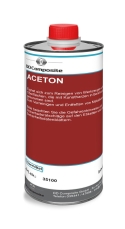
When working with synthetic resins, you should only apply or introduce them where desired. After curing, effective and clean removal is only possible mechanically. During processing, fresh splashes or liquid residues that have not yet cured can be removed with acetone and a cleaning cloth. Always allow parts and tools treated with acetone to air dry for 2-3 hours before using them again.
Cured synthetic resins can only be removed mechanically, by sanding with sandpaper or mechanically with sanding machines.
It is essential to pay attention to the heat development depending on the carrier layer in order to avoid damage to the material and the latent fire hazard. When sanding plastics as a substrate, special care must be taken; often, only roughening the surface is possible in order to reapply synthetic resin.
If synthetic resin has seeped into joints, small recesses, or porous surfaces such as wood, it is no longer possible to remove it.
If the substrate is heat-resistant (e.g., steel), it can be heated with a hot air gun, after which the gelatinous synthetic resin can be removed with great effort using a scraper. Here too, particular attention must be paid to the heat generated and the latent fire hazard.
PROTECT YOURSELF!
Wear gloves, safety goggles, a respirator, and protective clothing for all work. Heating can produce toxic fumes; a dust mask is not sufficient in this case.
Uncured synthetic resins are hazardous waste.
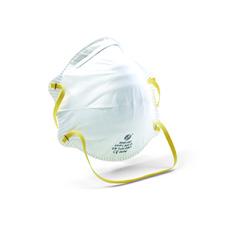
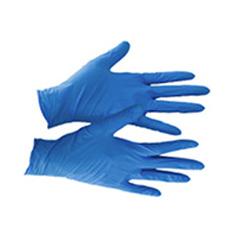
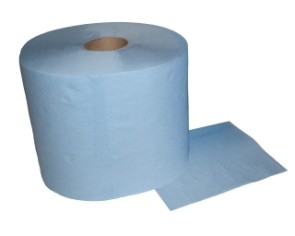
Instructions in PDF format for downloading or printing can be found here: Removing synthetic resin
In addition, you can quickly and easily find information about frequently asked questions here. Frequently asked questions
The information contained in this manual is based on careful research. It is provided for informational purposes only and does not exempt the user from conducting their own tests for the intended purposes and from checking for any infringement of third-party property rights. The information is non-binding and does not constitute a guarantee of properties within the meaning of any laws. No liability is accepted for the accuracy and completeness of the information.