Information on handling epoxy resin
In the following lines, we would like to give you a few tips and pointers on processing and handling epoxy resin. If you cannot find the answer to your question here, please do not hesitate to contact us by phone or email.
Our range includes (EP) epoxy resins for the manufacture of coatings, molded parts, vehicle parts, model, pond and pool construction, and other components.
Occupational safety is important; gloves and safety goggles should always be worn, and we also recommend wearing a protective suit. Processing should only take place in well-ventilated rooms.
Preparing the surface
The substrate must be dry, clean, and free of grease! We therefore recommend sanding the surface and degreasing it with acetone. If the surface to be treated is contaminated with silicone, it should be treated/cleaned with a silicone remover.
 Processing epoxy resin
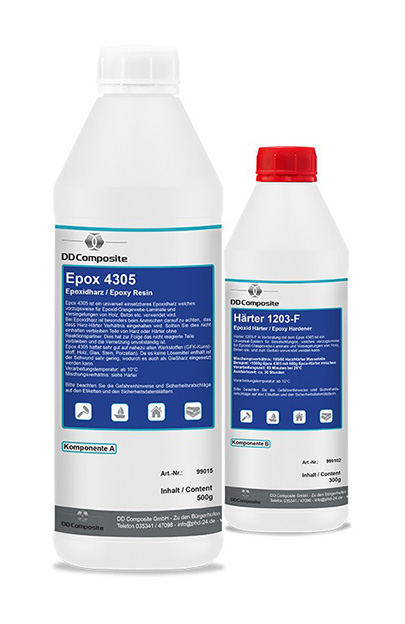
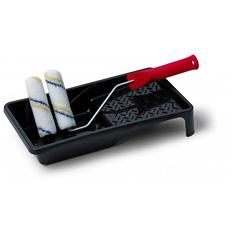
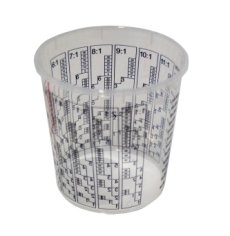
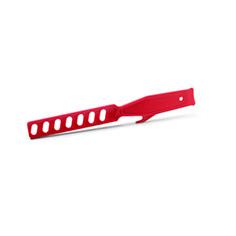
When working with epoxy resins, the processing temperature should be between 20-30°C, not below 10°C. The relative humidity should not exceed 70%. The hardener must be added in the exact quantities specified; please refer to the relevant data sheet. (High temperatures – faster curing; low temperatures can slow down curing considerably). Before use, all components should be thoroughly stirred/homogenized to ensure proper curing. When processing epoxy resin, you should measure the resin hardener precisely using a (letter) scale; the mixing ratio must be strictly adhered to! For larger batches (2 kg or more), a mixer, drill, and mixing propeller should be used for mixing. The bottom and edges should be scraped and stirred thoroughly. To prevent the mixture from curing too quickly, the mixed resin hardener should be poured into a flat container, such as a paint tray. The large surface area and flat storage prevent the mixture from heating up too quickly. For optimal bonding of the individual layers, work wet-on-wet.

Fillers

Fillers can be stirred into the mixed resin-hardener mixture, but also into the resin component beforehand. It is important that the fillers are not added to the weight of the resin when you add the hardener later.
Color pastes should be added to the resin in advance to ensure optimal homogenization, so that even large areas are colored evenly.
Notes
We recommend that you carry out tests in advance to ensure suitability for your project!
Applying multiple layers?
If you want to apply multiple layers of fiberglass, there is no need to sand between the individual layers as long as the previous layer has not yet hardened!
Storage of epoxy resin
Seal opened containers tightly with the original lid. Store in a cool, dry place. Can be stored for at least 1 year under optimal conditions. As the hardener reacts with humidity and carbon dioxide in the air, opened containers should not be left open.
- Close as soon as possible!
Cleaning of work equipment
Cured resins can only be cleaned mechanically, for example by sanding! Acetone can be used to remove uncured resin residues from tools, which must then be allowed to air sufficiently to prevent the cleaner from entering new containers!
Precautionary measures
When working with epoxy resins, the information in the safety data sheets must be observed!



Instructions in PDF format for downloading or printing can be found here: Handling epoxy resin 
In addition, you can quickly and easily find information about frequently asked questions here: Frequently asked questions
The information contained in these instructions is based on careful research. It is provided for informational purposes only and does not exempt the user from conducting their own tests for the intended purposes and from checking for any infringement of third-party property rights. The information is non-binding and does not constitute a guarantee of properties within the meaning of any laws. No liability is assumed for the accuracy and completeness of the information.Frequently asked questions