Differences between twill and plain weave
“Twill” and “plain weave” are types of weave (i.e., the way the individual fibers are woven together). The type of weave influences, for example, the suitability for complicated shapes. Twill drapes better and is more suitable for curves and complicated shapes. Plain weave is intended for surfaces such as hoods.
So twill is more suitable for more complex parts with curves and lots of edges, etc.
and plain weave (if you like it) is more suitable for flat parts (you can also manage surrounding edges).
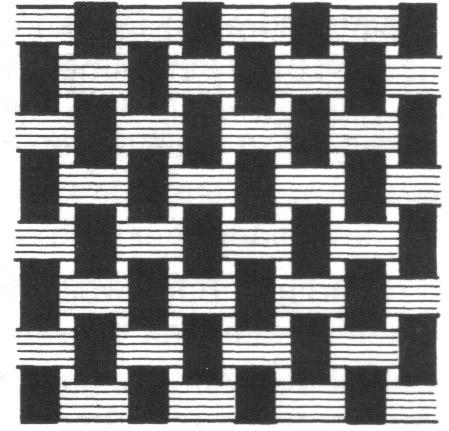
Plain weave
Plain weave is the simplest type of weave and originated from braiding. The weft and warp alternate evenly. Both sides of the fabric look the same. - Suitable for flat or simple components - Poor drapability - High shear strength
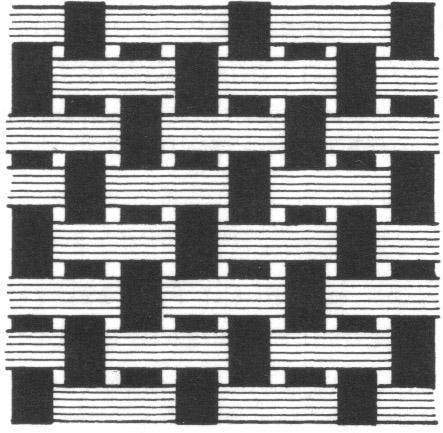
Twill weave
In twill weave, the weft and warp do not alternate evenly, i.e. the weft passes under one warp thread and then over two or more warp threads. The two sides look different. The side of the fabric where more warp threads are visible is called the warp twill, the other side is called the weft twill.
- The diagonal lines are unmistakable.
- Very good drapeability.
- Better for curves and complicated shapes.
- Lower slip resistance.
An explanation in PDF format for downloading or printing can be found here: Difference between twill and plain weave
In addition, you can quickly and easily find information about frequently asked questions here. Frequently asked questions
The information contained in this manual is based on careful research. It is provided for informational purposes only and does not exempt the user from conducting their own tests for the intended purposes and from checking for any infringement of third-party property rights. The information is non-binding and does not constitute a guarantee of properties within the meaning of any laws. No liability is accepted for the accuracy and completeness of the information.