Wood restoration with epoxy resin
It is possible to repair, restore, and stabilize rotten wood with epoxy resin.
Expensive replacement is not always necessary. However, please note that a structural engineer must always decide on the type of repair for load-bearing wooden parts.
Before you start the repair, you should also find the cause of the damage to the wood and eliminate it if possible (e.g., leaks in the roof).
The wood must be completely dry and free of dust. Fragile pieces of wood should be carefully removed.
The wood absorbs the resin, which improves its strength, but it will not reach its original strength level.
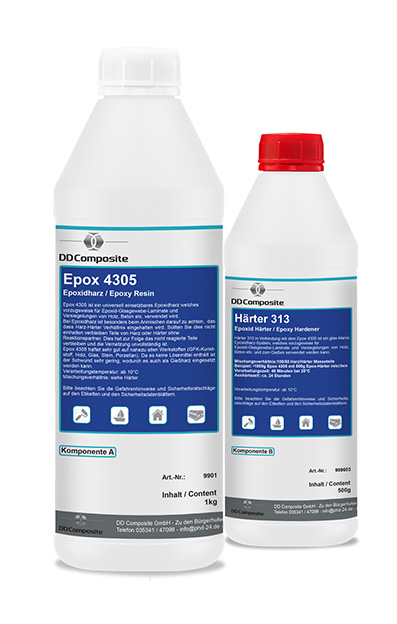
We recommend our epoxy resin 4307 + hardener 313.
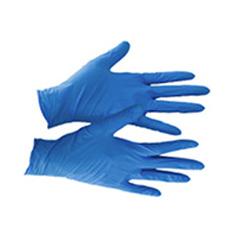
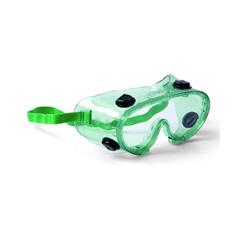
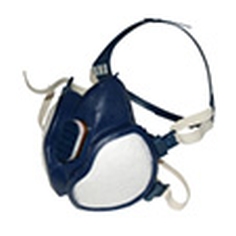
Work safety is important; gloves and safety goggles should always be worn, and we also recommend wearing a protective suit. Processing should only take place in well-ventilated rooms.
Processing
For epoxy resins, the processing temperature should be between 15-25°C. The relative humidity should not exceed 70%. (High temperatures – faster curing; lower temperatures can slow down curing considerably).
The hardener must be added in the exact quantity specified in the relevant data sheet. Mixing ratio: 100 parts resin / 50 parts hardener by weight!
All components should be stirred thoroughly before use to ensure proper curing.
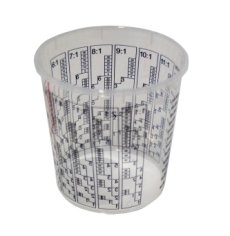
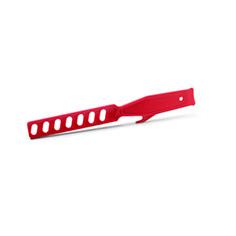
Please make sure to scrape the bottom and sides of the mixing cup regularly with a stirring stick to ensure that the resin and hardener are thoroughly mixed.
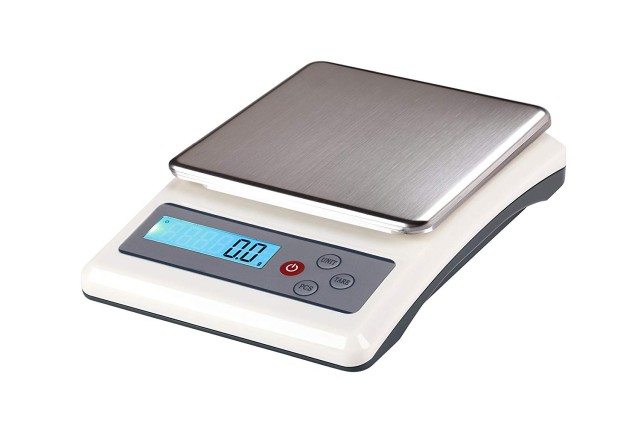
When processing, you should measure the resin/hardener precisely using a (letter) scale; the mixing ratio must be strictly adhered to!
To prevent the mixture from hardening too quickly, pour the mixed resin/hardener mixture into a flat container, such as a paint tray. The large surface area and flat storage position will prevent the resin from heating up too quickly.
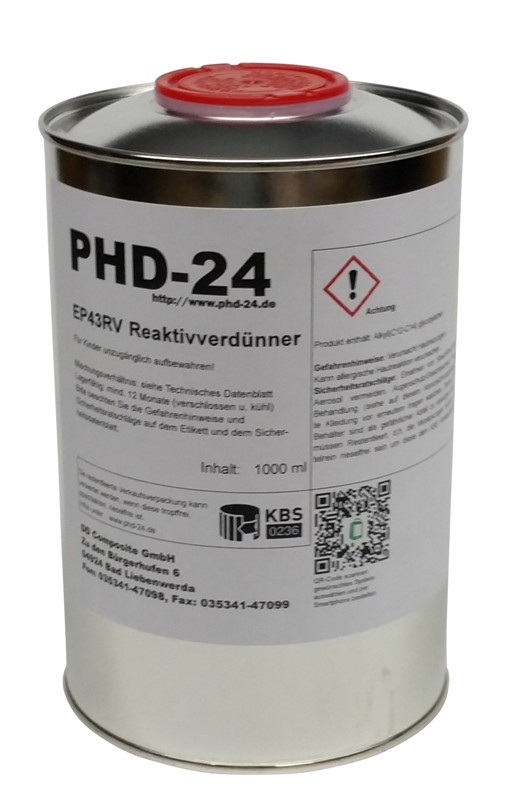
To make the epoxy resin more creepable, you can also add a thinner. This allows it to be better absorbed by the wood fibers. Please note that adding reactive thinner to the resin can negatively affect other system properties. Better resin absorption can also be achieved by drilling small holes in the wood.
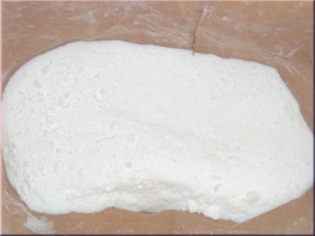
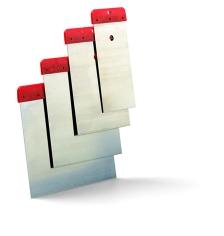
For larger areas of damage or unevenness, fillers can also be added to the resin. This produces a filler compound that can be applied with a spatula.
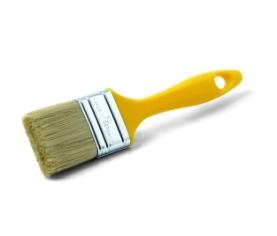
Depending on the consistency, you can apply the resin with a brush, spatula, or syringe (for the drill holes). When applying several layers, only apply the next layer once the previous one has dried slightly (wet-on-wet).
Once the resin has dried and hardened, it can be worked with a saw, rasp, milling cutter, or sandpaper.
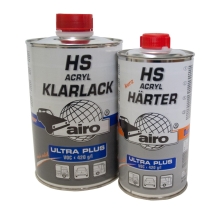
To improve resistance to environmental influences (especially UV resistance), the resin should be protected with a clear or colored lacquer. After sanding with fine sandpaper, the lacquer can be applied (please test adhesion beforehand).
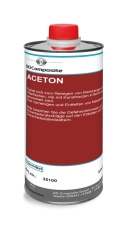
Use our acetone to clean the tools.
Materials
- Epoxy resin 4307 + hardener 313 (item no. 962015-V)
- Filler: Thixotropic agent (item no. 55110-V)
- Clear coat: Acrylic clear coat Ultra-Plus (item no. 50260)
- Acetone (item no. 35120-V)
Tools and aids
- Digital scale
- Brush
- Spatula
- Syringe
- Mixing cup and stirring rods
- Saw, rasp, drill
- Disposable gloves
- Respiratory protection, e.g., FFA1P2 R D respirator mask
Instructions in PDF format for downloading or printing can be found here: Wood restoration
In addition, you can quickly and easily find information about frequently asked questions here. Frequently asked questions
Surface protection with epoxy resin and glass filament fabric
One way to protect wood from external influences, including mechanical ones, is to coat it with epoxy resin and glass filament fabric.
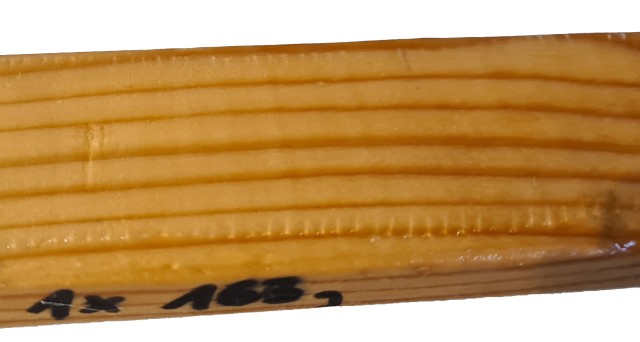
For example, if you use our 163 g/m² glass filament fabric with our 4307 epoxy resin + 313 hardener, the appearance and wood structure remain visible.
The information contained in these instructions is based on careful research. It is provided for informational purposes only and does not exempt the user from conducting their own tests for the intended purposes and from checking for any infringement of third-party property rights. The information is non-binding and does not constitute a guarantee of properties within the meaning of any laws. No liability is accepted for the accuracy and completeness of the information.